


By Eleanor Vance, Saturday Independent
At the meeting point of the mighty Niger and Benue rivers, a vital artery for life in Nigeria, a hidden crisis is unfolding. It’s a threat not visible to the naked eye, not tasted on the tongue, but one that is silently infiltrating the bodies of millions who rely on these waters for their daily existence. Groundbreaking research by Ezekiel Odimgbe, an Environmental Researcher and Analytical Chemist at Ebonyi State University, has revealed alarming levels of toxic heavy metals in the Niger–Benue confluence, exceeding World Health Organisation (WHO) safety limits. The implications are far-reaching, pointing to an immediate and long-term public health emergency.
For generations, communities along these rivers have depended on them for drinking water, irrigation, fishing, and transportation. But Odimgbe’s findings suggest that this reliance is now a dangerous gamble. The research, meticulously conducted over a period of months, paints a disturbing picture of a water source increasingly contaminated with substances like lead, cadmium, and other heavy metals.
“The most alarming takeaway is that toxic heavy metals are present at levels that exceed safe limits in a major water source relied upon by millions of people,” Odimgbe explains in an exclusive interview with Saturday Independent. “This means the Niger–Benue confluence isn’t just polluted; it poses a measurable public health risk, especially with long-term exposure.”
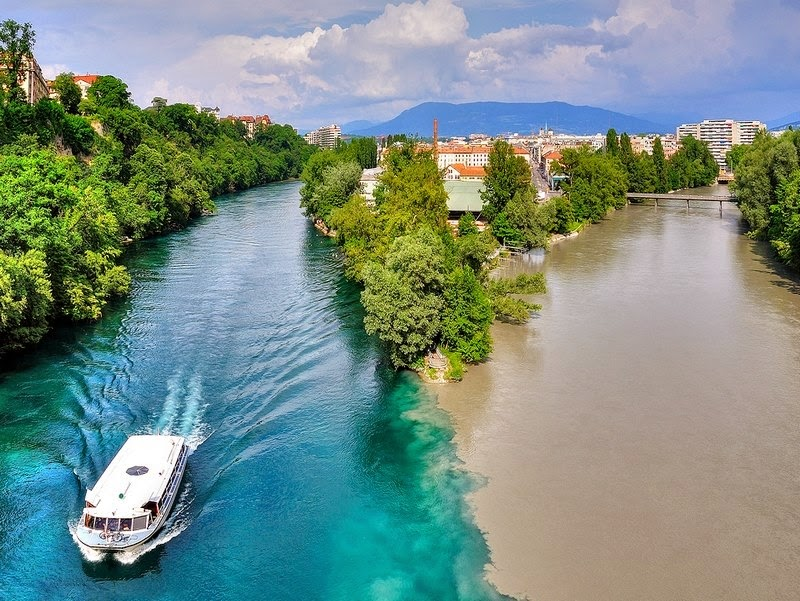
The scale of the potential impact is staggering. The Niger–Benue river system supports a population estimated to be over 30 million people, many of whom have limited access to alternative water sources. The confluence, where the two rivers meet near Lokoja in Kogi State, is a particularly vulnerable point, acting as a collecting basin for pollutants originating both locally and from upstream.
Odimgbe’s research doesn’t merely identify the presence of these metals; it quantifies the risk. “According to our data, several metals exceeded WHO safety limits,” he confirms. “This means people using this water are currently at risk, particularly for communities that drink untreated water or use the river daily for cooking and domestic purposes. Exceeding these limits indicates that prolonged exposure could lead to health effects, even if symptoms aren’t immediately visible.”
The specific health concerns are deeply troubling. Lead and cadmium, two of the key contaminants identified, are notorious for their insidious effects. “Prolonged exposure to lead and cadmium can lead to serious conditions such as kidney damage, neurological disorders – especially reduced cognitive development in children – high blood pressure, and reproductive issues,” Odimgbe details. “Lead exposure is especially dangerous for children, as it can cause permanent brain development impairment.”
The potential for neurological damage in developing children is perhaps the most harrowing aspect of the crisis. A child drinking contaminated water, unknowingly absorbing these toxins, could face lifelong learning difficulties and developmental delays. For families already struggling with poverty and limited access to healthcare, this represents a devastating blow.
But the threat doesn’t end with immediate health effects. Odimgbe’s research also reveals concerning indicators of increased cancer risk. “This is a serious public health concern,” he states. “Cancer risk indicators above safe thresholds mean that over long-term exposure – typically years to decades – there is an elevated probability of developing cancers. These aren’t immediate effects but chronic risks that build silently over time.”
The insidious nature of these long-term risks is particularly frightening. Communities may not realise the connection between their water source and the rising incidence of chronic diseases for years, even decades, to come.
The vulnerability of children is further compounded by the process of bioaccumulation within the food chain. Odimgbe’s research demonstrates that heavy metals are building up in the tissues of fish inhabiting the rivers. “My findings on bioaccumulation mean heavy metals build up in fish tissue over time,” he explains. “Even if people don’t drink the water, they can be exposed through diet, and regular consumption of contaminated fish can gradually introduce toxic metals into the body, posing long-term health risks.”
This means that even those who avoid drinking directly from the river are not immune to the threat. Fish, a crucial source of protein for many communities, is becoming a vehicle for delivering these toxins into the population.
So, what is driving this contamination? Odimgbe points to a complex interplay of factors. “The contamination is likely driven by local sources such as industrial discharges, agricultural runoff – fertilizers, pesticides – urban waste, and sewage.” He also highlights the significant contribution of upstream activities. “Mining activities and regional industrial pollution are transported by river flow. The pollution is both local and cumulative, meaning upstream activities significantly contribute to downstream contamination.”
The situation is further complicated by seasonal variations. Odimgbe’s data reveals higher concentrations of certain metals during the dry season, while iron levels spike during the rainy season. “Yes, it does [change throughout the year],” he confirms. “The rainy season washes pollutants from the land into the rivers, while the dry season concentrates existing contaminants.”
The findings raise serious questions about the effectiveness of Nigeria’s environmental regulations. Despite the existence of laws designed to protect water resources, the level of contamination at the Niger–Benue confluence suggests a systemic failure in implementation and enforcement.
“The issue isn’t just regulations, but enforcement and monitoring,” Odimgbe asserts. “Key failures include weak enforcement of environmental laws, poor monitoring of industrial discharge, limited water quality surveillance, and a lack of accountability for polluters. Despite existing frameworks, implementation is insufficient, allowing contamination to persist.”
The consequences of inaction are dire. “If there’s no timely intervention, we could see a rising burden of chronic diseases – kidney, neurological, cancer – increased public health costs, reduced quality of life and productivity, and environmental degradation affecting food security – fish and agriculture.”
Odimgbe is clear about the urgent actions needed. “Immediate actions needed include strict enforcement of pollution control laws, routine water quality monitoring and public reporting, provision of safe alternative water sources, public health awareness campaigns, regulation of industrial and mining activities upstream, and environmental remediation programs.”
The scale of the challenge is immense, requiring a coordinated effort from government agencies, industries, and local communities. Investing in water treatment facilities, promoting sustainable agricultural practices, and holding polluters accountable are crucial steps. Equally important is raising public awareness about the risks and empowering communities to demand clean water.
The Niger–Benue confluence is not simply a geographical location; it is a lifeline for millions of Nigerians. The silent poison accumulating in its waters represents a profound threat to their health, their livelihoods, and their future. The time for decisive action is now, before the consequences become irreversible.
The research of Ezekiel Odimgbe serves as a stark warning – a call to protect this vital resource before it is too late.


